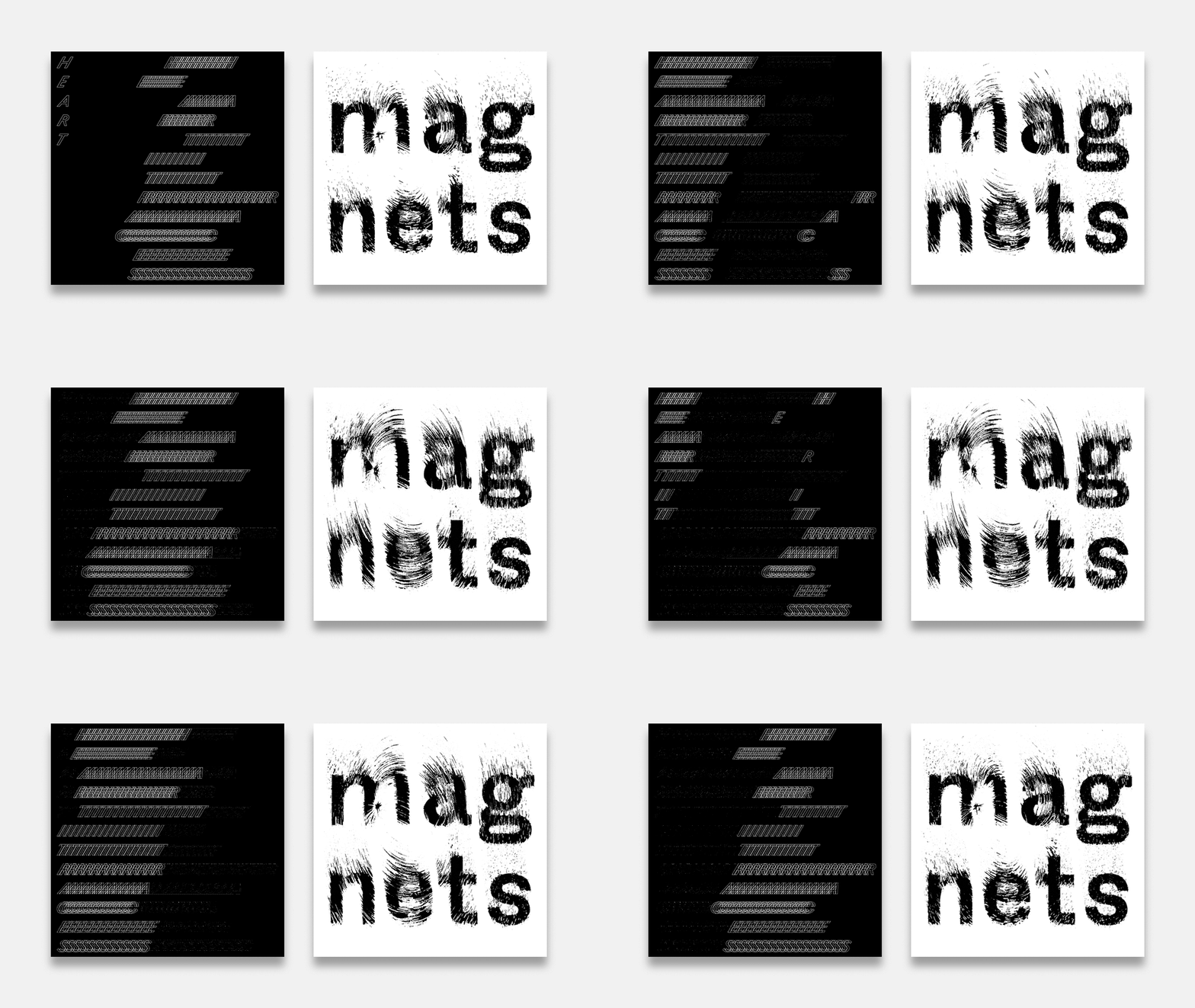
Week 13: Final editing

Our film have 3 parts

The first one is background to introduce why people learn sign language and what is special in Brighton to support BSL, for example the school university and the learning language centre and some council and policy in Brighton.

Secondly, its BSL user in Brighton, they use Sign language to introduce themself and to mention their jobs both are photographers, then we put the data about British sign language user to show the condition in uk.

final, we use the interpreter interview to conclude, Brighton really is a open and wonderful city to respect and support the special group, the deaf and LGBT…

In general, we finished the documentary. As a editor, I learned a lot from the first clip of a documentary. As well as in the pre-preparation, a documentary pre-preparation is very important. In later learning, to participate in practice, actively solve problems and work better. It’s a team workman’s project, very happy and enjoy the process of learning the practice.
Week 10: Transcrip

02:48 to 03:50
Question: Why do you chose Brighton than Other Cities?
Answer: For me was the move to Brighton intentionally was because we had people ,deaf
people actually that had lived in Italy so then you bit a Italian sign language has first content
with the country so it was important for me not to have English British Sign language or non-
known languages around me so I needed someone that could communicate with me
comfortably so I quite chose Brighton intentionally but then I also find out that Brighton is
cosmopolitan so it’s easy for a person was not necessarily of British birth to fit in so I felt
comfortable in Brighton as well and also very artistic as a place so It was easier to be a part
of it than other cities.
05:00 to 05:40
Question: can you explain what do you mean by Brighton is a very artistic place?
Answer: because different people with different ethnicity, when I arrive to Brighton, I notice
straight away that it was a more cosmopolitan meaning there are more people from
different ethnicity, though was still slightly light skin side I don’t want to say white because I
don’t like colouring. I am talking about differences from different, people coming from
different countries.
06:05 to 06:40
Answer:
Anyway, Brighton was a bit more on the white side and then here has changes so now
Brighton is not as white centred, there are variety of people who feel more comfortable. I
always as a person not liked places where we all looked the same, I don’t feel comfortable
in that type of environment I like differences, different food, different countries, different
cultures. I just love that I am just fascinated by that. Brighton offered better than other
places that ok.
06:43 to 08:10
Question: do you think that this situation helped BSL?
Answer: it does, it does help deaf people comes from different counties for example many
goes to London but now there’s increasing number of deaf people coming from settling in
Brighton as well because Brighton is more cosmopolitan as well and there is a number of job
opportunities and sign language uses for example another important thing in Brighton is
about the LGBTQ+ community so lesbian, gay, queer, transgender, Bisexual people feel
more comfortable in the city because it’s very open to people are different in anyway
,mainly different ways so disable people are welcome as well because of it because of it so
LGBTQ are welcome so people feel better together and again there a part of deaf
communities there sub groups within the deaf communities so all of these some of these
are from LGBTQ+ communities some from ethnic minorities etc.. all of these are made to
feel in Brighton.

According to this interview , we decide around the topic——Brighton is a good place for deaf, to expand mind in our film.

Week 8: principles of design

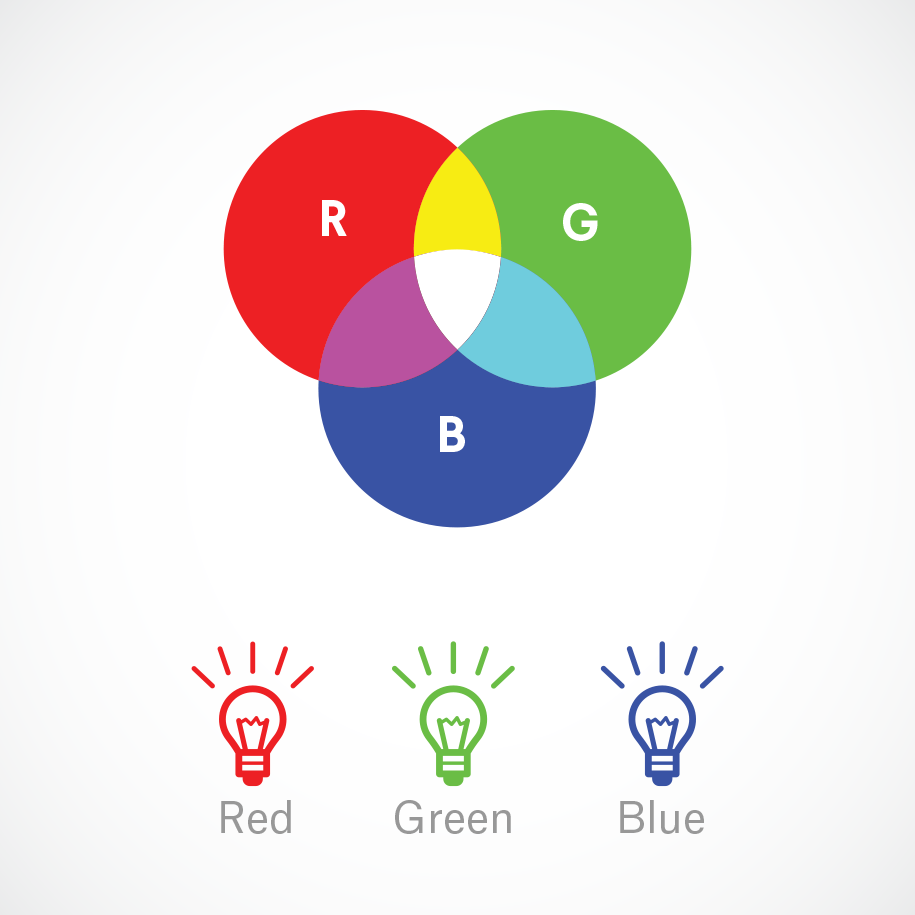
RGB (Red, Green and Blue) is the color space for digital images. Use the RGB color mode if your design is supposed to be displayed on any kind of screen.

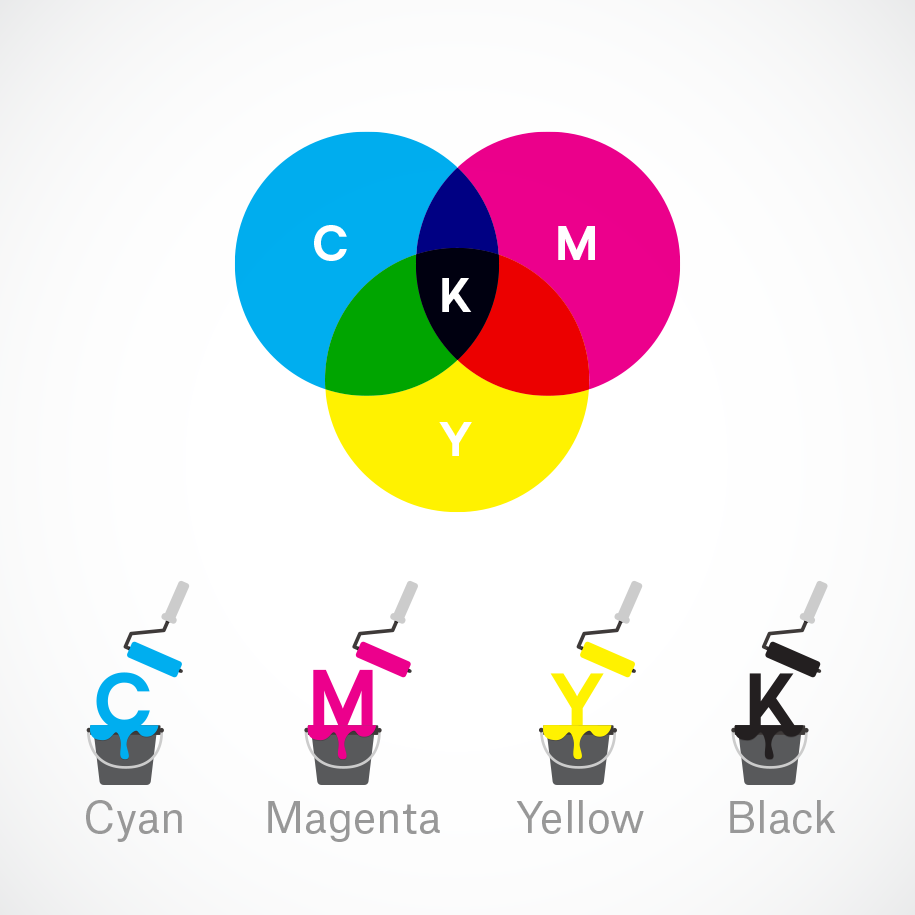
CMYK (Cyan, Magenta, Yellow, Key/Black) is the color space for printed materials.

1. Emphasis

Like writing without an outline or building without a blueprint, if you start your composition without a clear idea of what you’re trying to communicate, your design will not succeed.

2. Balance and alignment

every element you place on a page has a weight. The weight can come from color, size, or texture. Just like you wouldn’t put all your furniture in one corner of a room, you can’t crowd all your heavy elements in one area of your composition. Without balance, your audience will feel as if their eye is sliding off the page.

3. Contrast

Contrast is what people mean when they say a design “pops.” It comes away from the page and sticks in your memory. Contrast creates space and difference between elements in your design. Your background needs to be significantly different from the color of your elements so they work harmoniously together and are readable.

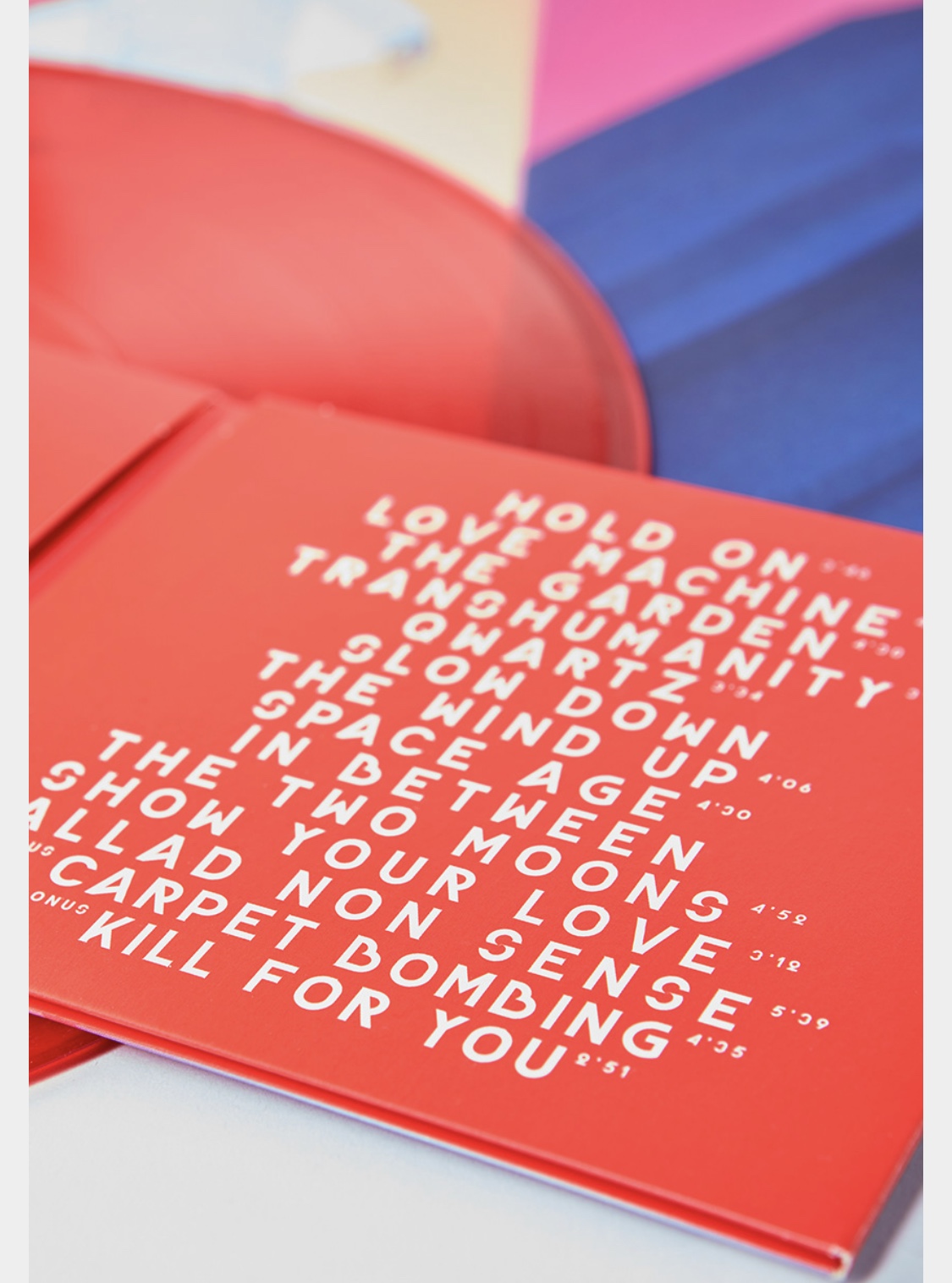
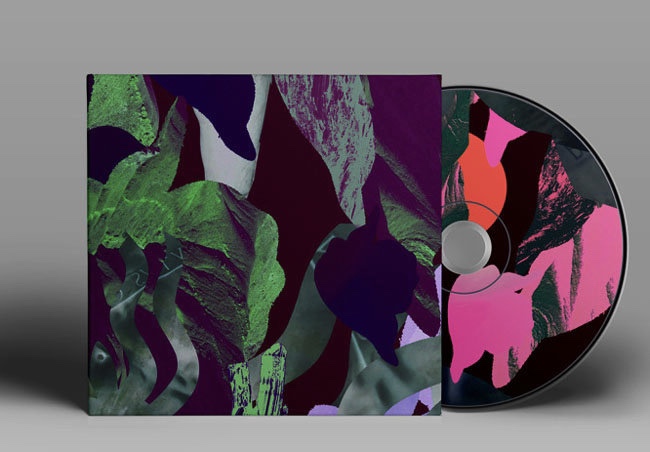
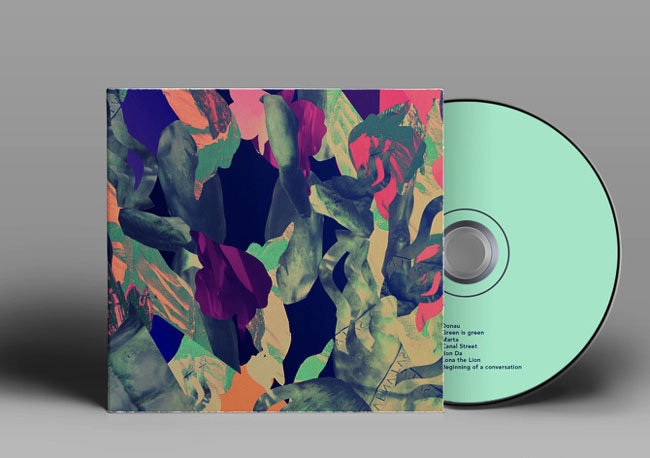
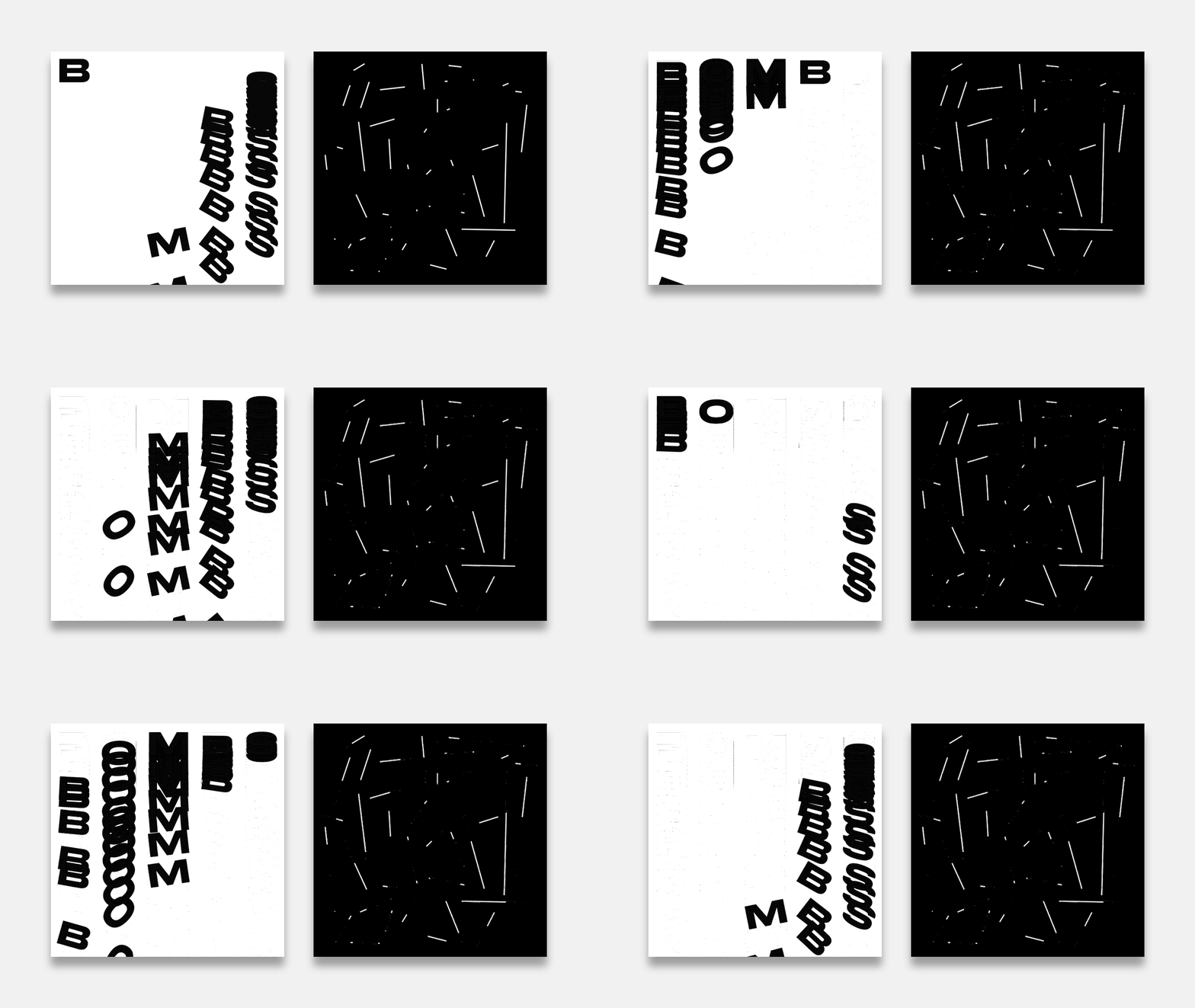
How to desing cover

the process step by step:

  1. Before you begin designing your podcast cover
  2. Restrictions and requirements for podcast covers
  3. Getting started with your podcast cover
  4. Consider where your podcast cover will be used
  5. Pick a style for your cover
  6. Give your cover some color
  7. Let your typography speak

Week 5: Project Pitch Presentations

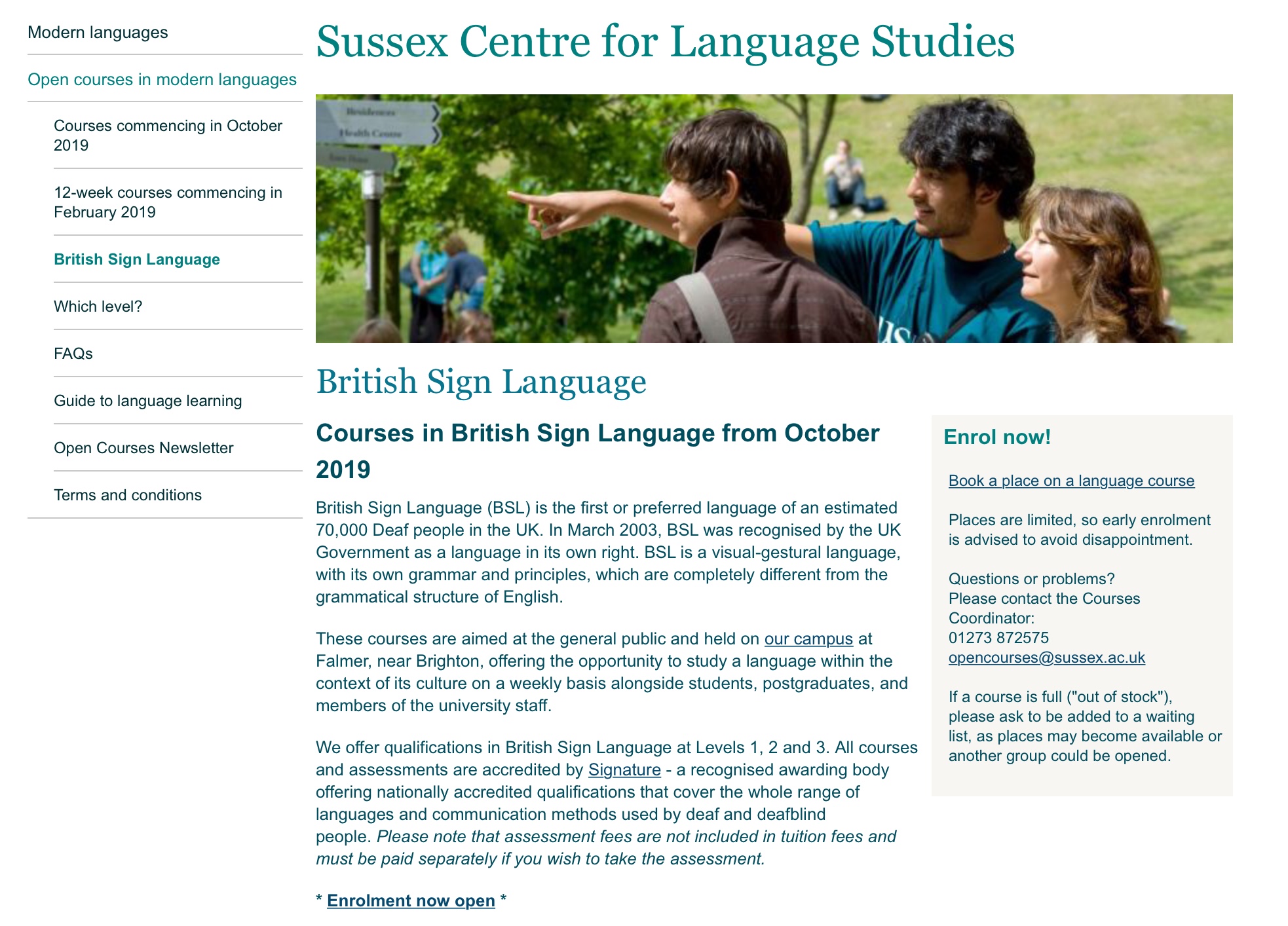
British sign language (BSL) and deaf culture​

  • 1 deaf culture and deaf community.  (deaf children/families/language schoo)​
  • 2 Sign Language learning and teaching in brighton​
  • 3 social welfare and social security for the deaf.​
  • to raise awareness of the problems of the deaf and the BSL.

Sign language as a language, symbols, values​

  • 1 Poetic lens language to present the similarities and differences for body language and other expressions. Use poetic means of expression to present a silent world.(Capture the senses on a person’s body, control zoom,slow motion)​
  • 2 observational clips to record the deaf culture such as their behavior in daily life.​
  • 3 participatory mode focus on interview with subjects ( Deaf, sign language teaching and learners.)​


Impede for interview

  • When we interview deaf and mute, we may need a sign language translator. ​
  • Respect​

Week 4: History of Design/Composition and Aesthetics

BSL HISTORY

Signcommunity.org.uk. (2013). A Brief History of British Sign Language (BSL). [online] Available at: https://www.signcommunity.org.uk/a-brief-history-of-british-sign-language-bsl.html [Accessed 24 Jun. 2019].

History of British Sign Language (BSL) is marked by oppression from the hearing people. As late as the 1980s, the sign language used by the deaf communities in Britain was considered a simple collection of gestures and pantomime, while the parents of deaf children were advised not to allow their children to use signs or gesture. It was thought it would prevent them from developing lip-reading skills and speech. 

Early History of BSL

Since BSL is an unwritten language, its early history is poorly understood. The very few written records about the use of sign language by the deaf communities in Britain were almost exclusively created by the hearing people which makes them questionable in regard to the language itself. But there is solid evidence that deaf people in Britain were signing as early as in the 16th century although most scholars believe that they were signing earlier. 

Development of Modern BSL

It is thought that the first forms of modern BSL developed sometime in the 18th century and that its development was closely related with the growth of cities and used as a standard. With a larger number of people being concentrated on a smaller area, deaf individuals came into contact with a larger number of other deaf people. Eventually, they formed communities that developed a more standardised form of sign language although the language itself continued to develop and change, just like spoken language. 

The First School for the Deaf

Thomas Braidwood’s ‘Braidwood’s Academy for Deaf and Dumb’ that opened in 1760 is considered the first school in Britain to include sign language in education. He introduced the so-called combined system, a form of sign language that set the standards of BSL as we know it today. Braidwood’s school, however, was intended only for children of wealthier parents. But it was Braidwood’s kinsman Joseph Watson who opened the first public school for the deaf in Britain (the London Asylum for the Deaf and Dumb in Bermondsey) in the late 18th century after completing training under Braidwood. 

BSL in the 20th Century

There has been a major progress in the development and establishment of BSL as a language in the 19th century but most deaf individuals learned the sign language unofficially rather than in schools. In addition, the early 20th century saw the rise of opposition to the sign language that persisted all the way to the 1970s. Deaf children were discouraged and even punished for signing and forced to learn finger spelling and lip-reading. The negative attitude towards BSL changed only when it became clear that such approach is not showing satisfactory results and rise of the awareness that BSL is much more than just a collection of gestures and pantomime. Despite that, it was not until 2003 when BSL was finally recognised as an official minority language in the United Kingdom.

The axis of action or the 180-degree rule

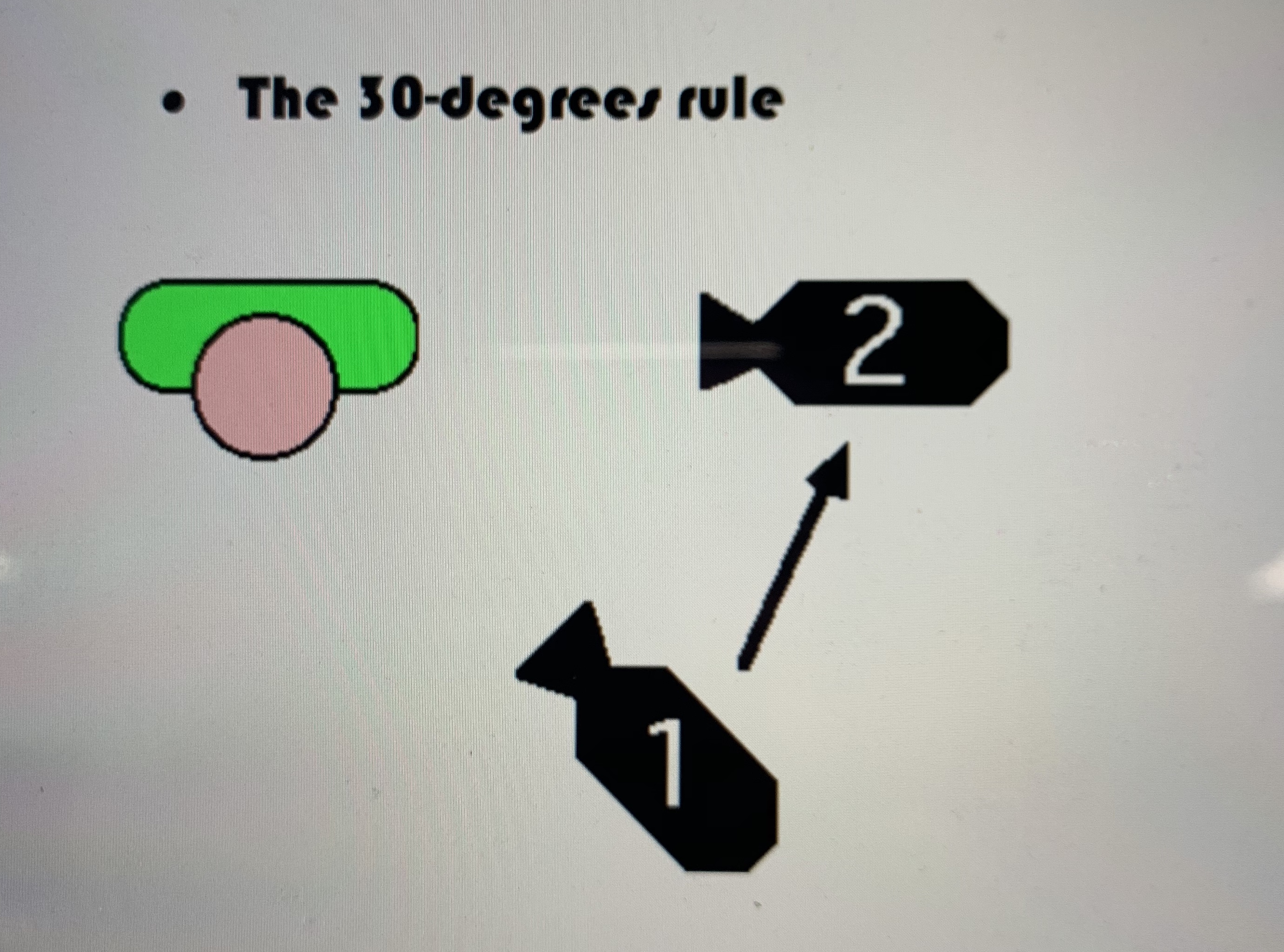
The 30-degrees rule